
Hazardous Materials
Asbestos
Asbestos is commonly found in older Victoria, BC homes (pre-1990s)in insulation (pipes, ducts, attics), flooring (vinyl tiles, mastic), textured ceilings, drywall/plaster, roofing (shingles, felt), siding, furnaces, and even old appliances, often hidden in various construction materials like cement board, duct tape, and various adhesives. Because it's hard to identify visually, professional sampling is crucial for any inspection.
Vermiculite
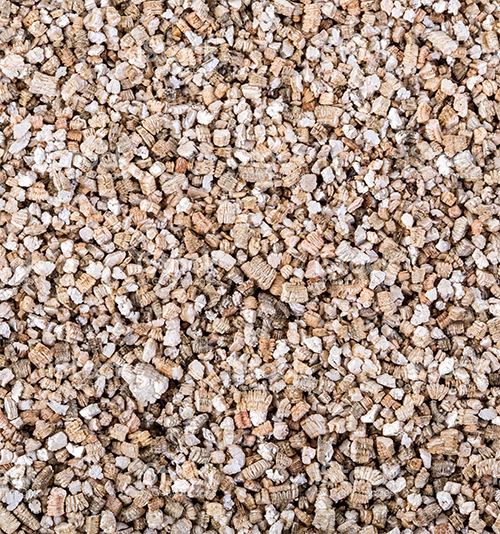 Vermiculite is a silver-gold to gray-brown mineral that is flat and shiny in its natural state. When heated to around 1000 degrees C, it pops (or puffs up) which creates pockets of air. This expanded form, and the fact that vermiculite does not burn, made the material suitable for use as insulation. Vermiculite itself has not been shown to be a health problem. However, some vermiculite insulation contained asbestos fibres, which can cause problems if inhaled. As long as this kind of vermiculite-based insulation remains undisturbed behind intact walls or in attic spaces and does not become airborne, it should not be a concern. Testing is essential to determine asbestos content.
Lead
Lead-based paint was commonly used in homes built before 1980. Since then, scientists have found that even low levels of exposure to lead can be harmful to children’s health and development. Removing or disturbing paint as part of a renovation project may expose you and your family to lead. Before you begin renovations, consider inspection and testing in order to minimize the health risks to you and your family.
Mercury
Mercury is a metal that is liquid at room temperatures and vaporizes at low temperatures. Mercury has a number of industrial uses. It is also found in thermostats, thermometers and inside fluorescent light tubes. Mercury has a significant toxic effect on the central nervous system and can cause disease and even death. Mercury becomes a hazard when it is released into the environment. Significant concentrations of mercury can be present at room temperature because it vaporizes at low temperatures. This can occur when mercury thermometers or thermostat bulbs are broken or when fluorescent light tubes are broken.
Arsenic
Arsenic is a metal that is sometimes used in pesticides. It is also found in pressure treated wood products. Exposures can occur when arsenic containing materials are disturbed and dust becomes airborne. Sawdust from cutting pressure treated wood or burning these materials can result in significant airborne arsenic concentrations. Disposal of arsenic waste must be in accordance with current Ministry of Environment requirements.
Rodent Droppings
Rodent droppings are highly dangerous because they transmit serious diseases—such as Hantavirus, Salmonellosis, and Lymphocytic Choriomeningitis (LCMV)—through air, ingestion, or direct contact.
Radioactive Materials
Radioactive materials are commonly found in smoke detectors. A small amount of radioactive materials (241Americium) is sealed in a metal case inside smoke detectors. This metal case must remain undisturbed to prevent exposure to radioactive materials. Some ceramic tiles and forms of granite have also been found to contain radioactive materials. Radon is a naturally occurring gas created during the decay of other radioactive materials. It is not considered a significant concern on Lower Vancouver Island. Waste smoke detectors must be disposed of in accordance with Canadian Nuclear Safety Commission requirements.
Silica
Silica is one of the most common element on earth. It is found almost everywhere. It appears in two (2) main forms - amorphous and crystalline. Amorphous silica is not generally considered to be a significant hazard. Crystalline silica is known to have a number of health effects including silicosis. Crystalline silica becomes a hazard when it is disturbed and airborne dust is created. Caution must be taken to ensure that silica containing materials are not disturbed. Crystalline silica is present in a number of common building materials.
Urea Formaldehyde Foam Insulation
Urea formaldehyde foam insulation (UFFI) was used as a retrofit insulation in older buildings. The expanding foam would be sprayed into wall and ceiling cavities to provide additional insulation in older buildings. It was most commonly used in residential settings. Over time, in the presence of moisture, the insulation can break down and release formaldehyde gas. This insulating material was banned in 1978. Many older buildings contain UFFI.
Fuel Oil Storage Tanks
Fuel oil storage tanks (above and below ground) are found in many houses and commercial buildings. The tanks can corrode and leak as they age. Spills often occur during tank filling and create contamination. Tanks in use must be monitored to ensure that spillage and contamination does not occur. Tanks no longer in use must be removed for disposal and the surrounding soil checked for contamination.